
Resisting Rest
or ability versus capacity

I once worked briefly in a busy commercial marketing agency. The number one question I was asked nearly every day was: Do you have capacity for this?
It was a confusing question, because the only acceptable answer was a yes. However, the asking of the question was meant to represent some attempted care towards the team. On the odd occasion that someone did say the dreaded “no,” there was usually a request to squeeze it in, do a little bit extra, or, occasionally, an attempt to shuffle tasks around. A person’s lack of capacity was never a reason to say no to a client, to ask a client to wait, or to hire some help. In fact, it felt like any lack of “capacity” was a weakness on your part, a question mark above your worth, and another reason to just suck it up and get on with it.
I didn’t last long in that space. Although I did write 25 technical blogs about drains, something I’m still strangely proud of. The pride comes from demonstrating a creative stubborness I didn’t know I had: By God, if I have to write blogs about drains I will research them thoroughly and make them so interesting that even non-drainage folks will want to read them…
Yeah... when I tell that story, I tend to leave out the part where my job felt so pointless, I couldn’t get out of bed in the mornings… My capacity to care had been well and truly used up.
I had a much more compassionate conversation about that topic today, it went like this: There are two things, this person said, that mean you are able to get something done: ability and capacity. In the modern world we are so focused on ability that we often forget that without capacity (physical, mental or emotional) nothing can happen, unless you’re looking for burnout, in which case, carry on.
These were very wise words. So wise, I wrote them in my notebook: ABILITY / CAPACITY…
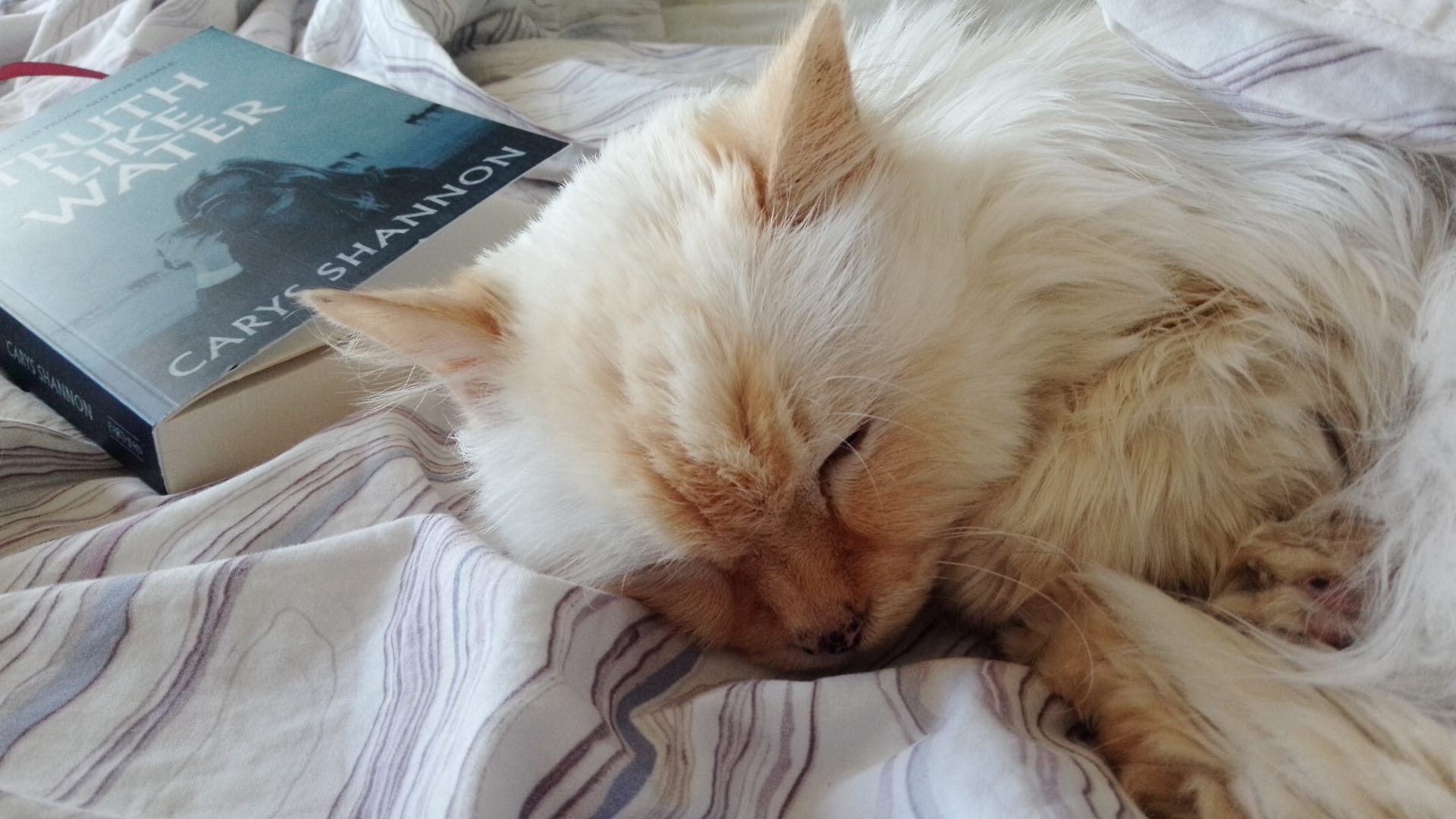
I’d been talking about the fact that I’d recently booked onto a number of different writing as reflection workshops. In the first, after the intro spiel and as soon as the task turned to writing itself, I logged out. And for the second, I didn’t even turn up… I told myself I’d had a big year—publishing a book, moving countries, changing jobs—and that I needed to reflect. But for some reason, I kept resisting it.
The obvious answer, and the one I wanted to ignore, is that I simply don’t have the capacity at the moment.
I’ve just returned home after 3 months on the road, both working full-time and undertaking a lot of book tour events. It’s been wonderful, wild and exhausting. I’ve been living in friends' houses and out of a suitcase. It has been busy and frenetic, powered mainly by coffee, sugar, public transport and dopamine hits.
Now, I just need a rest. Why does that feel so hard?
Well, I’m back in the mountains, where the silence is sweet and my mind is the loudest thing in the room. I finished my day job contract and the book tour, so I have time. And time must be used, right?
I’ve been trying to rush myself through settling back into a different language, social routine and working environment; the internalised capitalist in me just wants to get past the part where you sit and let all the emotional debris settle, and get on with it.
Get on with what? Writing another book for a start, everyone has been asking about that, doing things of value which are output driven, visible, evidenced… right? People around me are still working, so I can’t be the one to be seen sitting down. Blah blah blah, the list goes on.
I will be honest and say that I don’t have a nice tidy bow to wrap around this article. I have no answer about how to rest, only that I do believe rest has become a radical act as well as a human necessity.
The other thing to say is, so much of the tension about rest is actually tension about being perceived: am I seen to be productive, therefore valuable?
It’s a constant acknowledgement of the false beliefs we are being fed via capitalist society. After all, it’s not really resting if you are still trying to be “good” is it? Whether that is useful, productive, inspiring or creative, it doesn’t really matter. It’s about this idea of perceived value. I think this is also why so many of us feel compelled to share our “resting” on social media: Look at the beautiful thing I sketched while I was resting today… Look at how well I’ve used my free time…
Isn’t the thing enough? The rest? There are 7 types of it apparently! Isn’t resting really a radical act of rejecting these societal norms about what makes us “valuable”?
I’ll leave you with that question.
My answer is that I’m about to put my Out of Office on my personal emails and log off. I’m going to resist posting about any resting I do, however beautiful or insightful. I’m going to rest in unshapen, unglamourous ways that work for me right now. I hope you do to. Let’s agree not to talk about it.
Thanks for being here.
Wishing you a peaceful Christmas. See you in the New Year.
Carys x
The Whole Writer is a newsletter about creative living. If you know someone who might enjoy it, please feel free to share. You can learn more about me, my debut novel Truth Like Water, and my coaching work here: www.carysshannon.com.
Love this!!!
This is a brilliant article. I will admit to not knowing what rest is. I just don't know how to do 'it'. My brain is so busy, my life so fast paced, that when it comes to a natural slow, I become lost in the wilderness of silence - my brain uploads an error code when it doesn't have something to do! That's not to say I can't appreciate silence. I lay in bed at night in a pitch black room and breathe a sigh of relief into that silence. I can sit on top of a mountain and appreciate the solitude and space. But, for the life of me, I cannot rest in the hours that I'm expected to be productive, and for that reason, I will take your article on board to try and understand the 7 different types of rest.
Wishing you a peaceful Christmas season and a prosperous new year ♥️